

Trauma-informed Counselling
What is trauma-informed Counselling?
Being a trauma-informed counsellor is recognizing we have gone through difficult and extreme hardships in our past that are having an impact on our present selves
The past is the past, but it lives within us, causing us to behave in a way that isn’t in line with how we see our selves. This results in us seeking help to get to who we are or at a place where we can move through this world feeling safe.
As a trauma-informed counsellor, it is important to keep this front of mind when sitting with folks who are talking about the difficulties they are having in their lives. Being trauma informed ensures that I never judge people based on their actions, thoughts or feelings.
I do NOT ask, ‘what is wrong with you?’ but rather I ask, ‘what happened to you?’ and this is the view we should have of ourselves and others. We need curiosity and compassion towards our selves…
Your feelings, thoughts, actions, and emotions make sense to me. If they don’t, we have not gone where we need to go… yet.


How do I know if Trauma
is Impacting Us?
Most people can feel the impact of the past on the present selves. When I grew up, the word trauma was reserved for folks who have suffered from extreme adverse life events, such as witnessing a friend being brutally murdered or being involved in a horrific accident.
Today, however, our understanding of trauma has expanded. People’s past has an impact on how we react to events in the present.
Do you act in a way where after the situation, you don’t get why you behaved that way… like you weren’t really thinking… often feeling shame or guilt?
Does your action ever seem out of proportion to the event? If you stoically look back at something and say… ‘okay… why did I ‘lose it’ like that?’
Do you feel ‘on edge’ in what is a ‘safe’ situation? You are at a party with people and are in no danger, but your system is ‘on fire’?
How long does it take you to ‘come down’ after a stressful event? Does your system return to homeostasis in minutes, hours, days, weeks?
*These don’t necessarily mean you are impacted by trauma, but it could be something worth exploring!
Can I Train my Nervous System when Triggered?
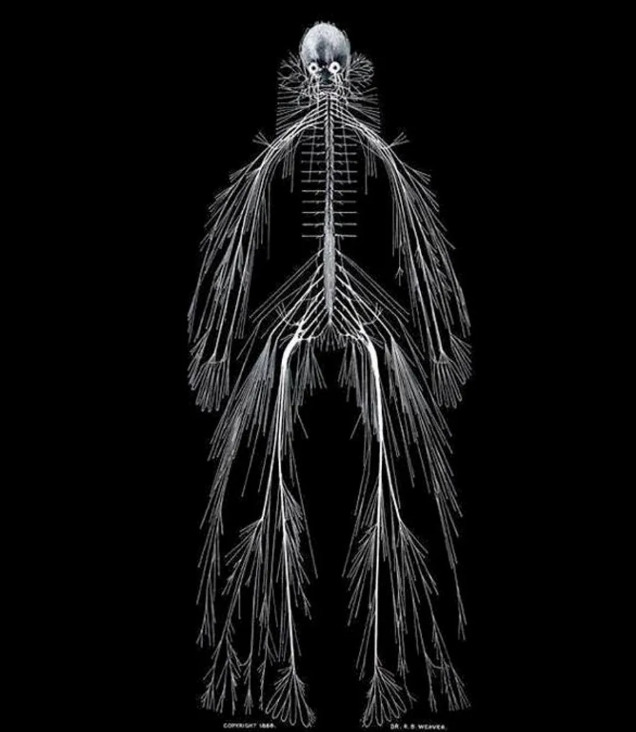
This System Lives within You and Plays a Role in Your Mental Health
Your nervous system plays a role in your mental health and has one job: to keep you alive. It is not to ensure that you have deep, healthy, and meaningful connections with others or yourself. This system senses danger and puts you in a mode to help you survive. This system is affective in keeping you alive, but, because of trauma and/or evolution, can also do a ton of damage to your future self.
This system loves familiarity because it knows how to navigate familiar waters. Now, if you have grown up in adverse/traumatic/intense/fucked up environments, this system will try to recreate this or keep you in this way of being.
Your nervous system plays a role in your mental health and has one job: to keep you alive. It is not to ensure that you have deep, healthy, and meaningful connections with others or yourself. This system senses danger and puts you in a mode to help you survive. This system is affective in keeping you alive, but, because of trauma and/or evolution, can also do a ton of damage to your future self.
This system loves familiarity because it knows how to navigate familiar waters. Now, if you have grown up in adverse/traumatic/intense/fucked up environments, this system will try to recreate this or keep you in this way of being.


Trauma-informed Counselling: Readings and Videos
The Body Keeps the Score: Brain, Mind, and Body in the Healing of Trauma
by Bessel van der Kolk - this book is a massively important work to understand how trauma can impact our present selves. The body’s goal is to keep us safe before the wise part of our brains can interpret the situation. This ‘keeping us safe’ can often negatively disrupt our lives. The body truly does keep the score.
If you don’t got time for the whole book, check out this video:
https://youtu.be/iTefkqYQz8g?si=PfiwxIU9icL3y5zO
Anchored: How to Befriend Your Nervous System Using Polyvagal Theory
by Deb Dana - this book gives practical tips on how to deal with difficult emotions, thoughts, triggers, memories, and it is based in science. It goes into detail about the role the nervous system and amygdala plays in our present reactions to our environment.
https://youtu.be/Cxn9SyW0DvM?si=IN_fPznwuErj2LrT
In the Realm of Hungry Ghosts: Close Encounters with Addiction
by Gabor Mate - the definition of a trauma-informed human who has shone a big spotlight on how trauma plays a pivotal role in addiction and what it takes as a society and individuals to address this… a beautiful and must-read book.
If you don’t have time, check out this video:
https://youtu.be/O5jmsJAClpw?si=ymT9RUbrgzi6f1EJ
Complex PTSD: From Surviving to Thriving
by Pete Walker. An intense but extremely valuable way to look at your childhood and the impact it is having on you today… especially if you have the attitude that you didn’t have a traumatic childhood.
Internal Family Systems Therapy
by Richard C. Schwartz and Martha Sweezy. This book may seem strange when reading it, but it has a great way of looking at the trauma of the past and what to do with it.
https://youtu.be/KuuoLT-fq4s?si=L_m7cij60xVd3h-S